Pediatric Dosage Guide Medicines for Children Made Simple
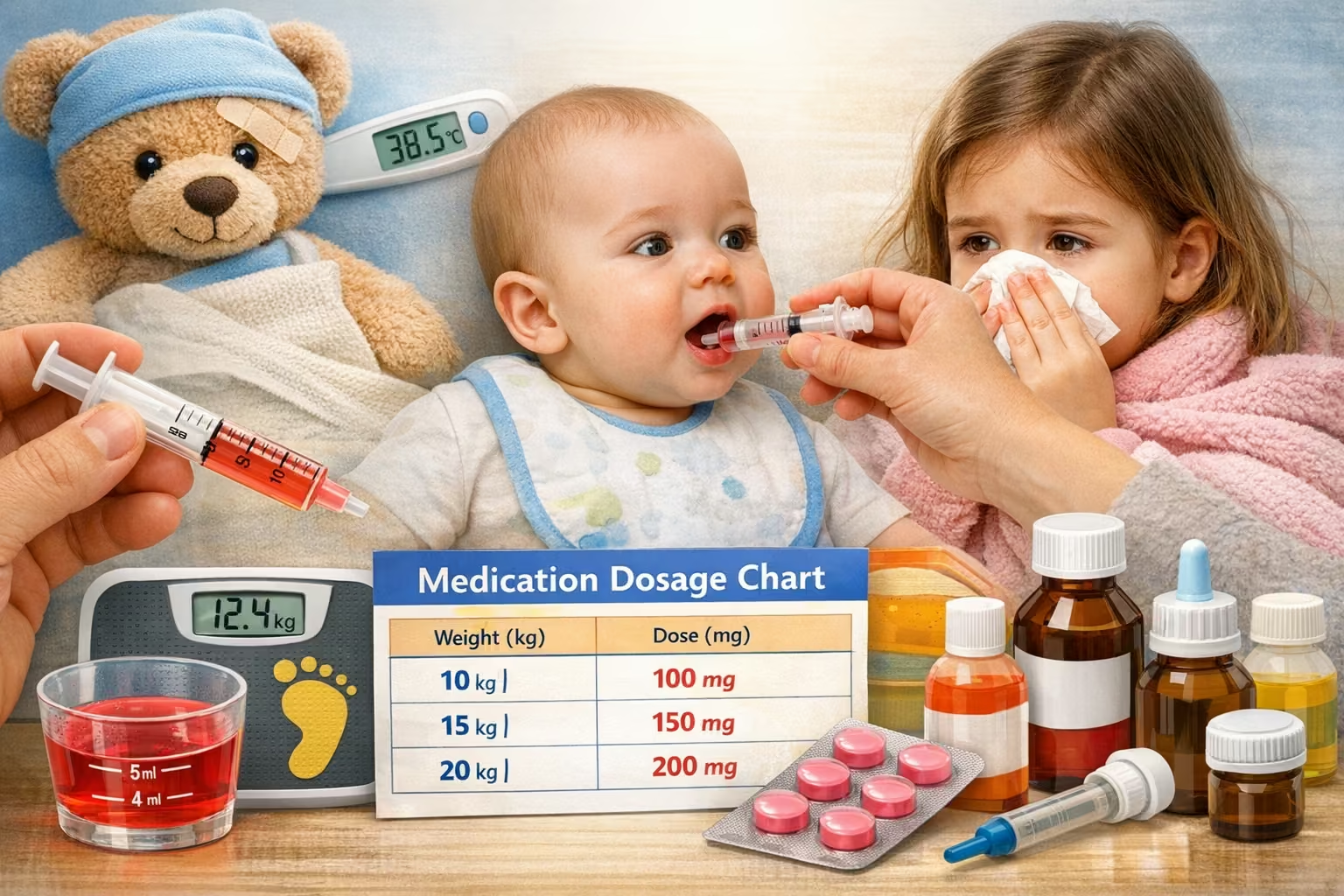
Giving kids medicine feels scary sometimes. Parents always ask how much medicine should I give my child. A tiny mistake can cause big problems. You want to help your sick baby feel better fast. You need a clear pediatric dosage guide to keep them safe. This guide will show you exactly what to do. We will make children medicine dosage very easy to understand. We will talk about weight based dosing in children. We will also look at child safety rules for the year 2025. You will learn how to measure liquid medicine for kids without errors. Every parent needs a good child medication dosage chart at home. Let us learn how to protect our little ones. We will explore the best ways to manage sick days. You will feel much more confident after reading this.
New health reports from 2025 show some surprising facts. Over fifty percent of parents make medicine measurement mistakes. This causes many emergency room visits every single year. You can avoid these scary trips with the right knowledge. A solid pediatric dosage guide removes all the guesswork. We want to give you peace of mind today. Finding the right dosage for children does not require a medical degree. You just need a few simple facts and tools.
We will walk you through every step of the process. Your confidence will grow as you learn these basic rules. I remember standing in the dark bathroom completely panicked about a fever. We have all been there at two in the morning.
Understanding Pediatric Pharmacology
Kids are not just small adults. Their bodies process drugs in a totally different way. This concept is called pediatric pharmacology. A baby has a different metabolism than a teenager. Their kidneys and livers clear out drugs at different speeds. This makes age appropriate dosing very important. You cannot just guess the right amount based on looks. Guessing increases the toxicity risk for your child. A proper pediatric dosage guide takes all this into account. It keeps the drug within a safe therapeutic range. This means the medicine works well without causing harm. Always follow pediatric safety guidelines from trusted doctors. They update these rules every year to protect kids. We must pay attention to these medical updates. Understanding these basics helps you make better choices. Your child relies on you to make the right decisions. Pediatric medication dosing requires patience and careful reading. You should never rush when handling medical liquids.
Many parents feel confused in the pharmacy aisle. They see rows of colourful boxes and bottles. Picking the right medicine dosage for kids takes careful thought. You must read the active ingredients on the back label. Sometimes different brands use the exact same medicine inside. You do not want to give a double dose by accident.
This happens very often when parents mix up brands. A good pediatric dosage guide prevents these common mistakes. It tells you exactly what to look for on the box. You will learn to recognize safe and unsafe ingredients. I once dropped a full bottle of sticky syrup on the floor. It was a huge mess but it taught me to slow down. Slowing down prevents dangerous accidents at home.
The Rules of Body Weight Calculation
Many parents wonder how to calculate medicine dose for a child. The safest method relies on the bathroom scale. Doctors use body weight calculation to find the exact amount. This is much better than guessing by age alone. A heavy five year old needs more medicine than a light one. You will often see the term milligrams per kilogram (mg/kg). This is the standard mg per kg dosage calculation formula. It tells you exactly how much drug matches their weight. You multiply their weight in kilograms by the recommended dose. This gives you the safest dosage for children. A good pediatric dosage guide always focuses on weight first. It takes the guesswork out of the entire process.
You need to know your childs exact weight today. Do not use their weight from six months ago. Kids grow very fast and their needs change quickly. Step on the scale holding your baby. Then step on the scale by yourself. Subtract your weight to find the exact infant medication dosage weight. This little trick works perfectly at home. Keep a dosing chart by weight on your fridge. This makes late night medicine runs much easier. You will not have to do math while half asleep. A printed pediatric dosage by weight chart is a lifesaver. You can point right to their current weight and know the dose.
Sometimes the math feels overwhelming for tired parents. You might ask how to calculate pediatric dose without mistakes. You can ask your pharmacist to do the math for you. They can write the exact amount on the bottle. This ensures the prescription dosage for children is completely accurate. It is always better to ask questions than to guess. Medical professionals want to help you get it right. They understand that calculating doses is stressful for families. A reliable pediatric dosage guide acts as your backup plan. It gives you a standard reference to check against.
Safe Pain Relief for Kids
Fever and pain are very common in young kids. Parents often need children’s fever medicine dosage information at night. The two most common options are acetaminophen and ibuprofen. They work in different ways to lower a fever. You must understand the children’s acetaminophen dosage rules first. This medicine is generally safe for babies over two months. However you must always consult your doctor first. For older kids you need the right toddler medicine dose. The amount changes as they gain more weight. You should reweigh them before the winter season begins.
Ibuprofen dosage for children is a little bit different. You can only give this to kids over six months old. It works very well for swelling and deep pain. Many parents ask how often can I give my child ibuprofen. The standard dosing interval is every six to eight hours. You should never give it more often than that. A clear pediatric dosage guide will highlight these time limits. Following the clock is just as important as the amount. Giving doses too close together is very dangerous. It can hurt your childs kidneys or liver.
Always look for safe pain relief for kids. You do not always need to use medicine for a fever. Sometimes natural remedies for child fever work very well. A lukewarm bath can bring their temperature down safely. Lots of fluids and rest are also very helpful. Only use over the counter medicine for kids when they are truly uncomfortable. A fever is just the body fighting off a bug. Let their little bodies do the healing work naturally.
Parents often search for an infant Tylenol dosage chart online. You must make sure you are looking at a current chart. Old charts might have outdated safety information. A baby Tylenol dosage calculator can also be helpful. Just ensure the website is trustworthy and medically reviewed. A safe pediatric dosage guide will always match your doctors advice. Never trust random advice on social media platforms. Always verify the numbers before you fill the syringe. You want to be absolutely sure about the numbers.
How to Measure Liquid Medicine for Kids?
Measuring liquids correctly is a huge part of child safety. You should never use a regular kitchen spoon. Kitchen spoons come in many different shapes and sizes. This makes them very unsafe for measuring an oral suspension. You might give your baby too much or too little. Always use proper medication measurement tools from the pharmacy. A plastic dosing syringe is the very best option. It allows you to draw up the exact liquid amount. It is much more accurate than a tiny plastic cup. You can measure tiny fractions of a milliliter easily.
A good pediatric dosage guide will remind you to use syringes. Place the syringe past their teeth and toward the cheek. Push the plunger down slowly so they can swallow. Do not squirt it straight into the back of their throat. This can cause them to choke or spit it out. Getting the liquid medicine dosage for kids right takes practice. You must read the lines on the syringe very carefully. Hold it up to eye level in a bright room. Make sure the liquid touches the correct number line. Do not rush this important measurement step.
Wash your tools with warm soapy water after every use. Do not share syringes between different sick children. This spreads germs and prolongs the illness in your home. Read the caregiver instructions on the medicine box twice. They tell you exactly how to clean and store the product. Some liquids need to stay cold in the refrigerator. Others must stay in a dark and dry cabinet. Proper storage keeps the medicine working exactly right.
Managing Coughs and Colds Safely
Winter brings many coughs and stuffy noses to our homes. Parents naturally want to stop the coughing fast. However children’s cough medicine safety is a very serious topic. Doctors strongly warn against cough medicine for young babies. It can cause severe breathing problems and other bad reactions. You should focus on safe medicine for babies instead. Saline nose drops and a cool mist humidifier work wonders. They clear the airway without any harmful chemicals inside. A bulb syringe helps remove mucus gently and safely.
When kids get older you have more options available. You must still use a proper pediatric dosage guide. Look for a children’s medication dosing guide by age on the box. It will tell you if the product is safe for them. Never give adult cold medicine to a young child. The ingredients are far too strong for their small bodies. Stick to products specifically made for their age group. This is a core rule of pediatric drug safety. Never bend this rule no matter how sick they seem.
Always watch for emergency symptoms in children during a cold. If they are breathing very fast you must get help. If their lips turn blue call an ambulance right away. Medicine will not fix a true medical emergency. You must know when to stop home care and see a doctor. Trust your gut feelings when your child is sick. A parent usually knows when something is deeply wrong. You know your child better than anyone else does.
Sometimes you are unsure if they need a doctor. A telehealth pediatric consultation is a great modern option. You can speak to a nurse or doctor from your living room. They can look at your child through the video camera. They will tell you the safe fever medicine dosage for toddlers. They can also recommend safe home treatments for the night. This saves you a stressful trip to the waiting room. It keeps your sick child comfortable in their own bed.
Understanding Overdose Risks and Symptoms
We must talk about what happens if child gets wrong dose. Mistakes happen to the most careful and loving parents. You might misread the pediatric dosage guide in the dark. Maybe your partner gave a dose and forgot to tell you. This double dosing is a very common accident at home. You need to know the signs of medication overdose in children. They might become extremely sleepy and hard to wake up. Sometimes they might vomit repeatedly or have stomach pain. Watch their behavior very closely after a mistake happens.
Their breathing might become very shallow or slow down. If you see any of these signs you must act fast. Do not wait to see if they will feel better later. You should keep the poison control number saved in your phone. Call them immediately if you suspect a medicine mistake. They are available all day and night to help you. They will tell you exactly what to do next. Do not induce vomiting unless the expert tells you to do so. Stay calm and listen to their exact instructions.
A solid pediatric dosage guide helps prevent these scary moments. You should write down every dose on a piece of paper. Put the paper right next to the medicine bottle. Write the exact time and the amount given. This simple tracking method stops double dosing completely. Medication overdose in children is highly preventable with good communication. Always tell your partner when you give the kids medicine. Teamwork keeps the whole family safe from accidents.
Keep all medicines locked away high out of reach. Kids are very curious and can open childproof caps. Childproof does not mean child impossible to open. It just slows them down for a few extra seconds. You must treat all drugs like potential hazards. Good pediatric safety guidelines start with secure home storage. Never call medicine candy to trick them into taking it. They might go searching for this special candy later on. Always explain that medicine is only for when we are sick.
Using Online Tools and Resources
Phones and computers offer many great tools for parents today. A pediatric dosing calculator online can be very handy. You just type in the weight and the drug name. It does the hard math for you in one second. However you must ensure the website is reliable. Always cross check the numbers with your doctors instructions. A digital pediatric dosage guide is easy to access anywhere. You can pull it up on your phone at the pharmacy. This makes shopping for supplies much less stressful.
If you need to buy supplies there are great options. You can easily find all the right medications and tools for your family at https://medicinefinder.online/ through Medicine Finder Online. They offer a simple way to get what you need fast. Buying online saves you time when you have a sick kid. You do not have to drag them through a bright store. You can focus on giving them comfort and love at home. We all want easier ways to care for our kids.
Always read the FDA pediatric labeling on any new purchase. The FDA tests drugs to make sure they are safe. They require companies to print clear instructions on the box. A good pediatric dosing calculator will follow these exact FDA rules. This ensures your child gets the correct and safe amount. We rely on these experts to guide our home care. Read the small print even if you are tired. It only takes a few seconds to double check the math.
Common Pediatric Dosing Methods
1. Weight-Based Dosing
Most commonly used method. Dose is calculated based on the child's body weight:
Formula: Dose = Dose per kg × Child's weight in kg
Example: If a drug is 10mg/kg and a child weighs 20kg:
Dose = 10mg × 20 = 200mg
2. Age-Based Dosing
Based on age ranges, though less precise than weight-based:
- Infants (0-1 year)
- Toddlers (1-3 years)
- Preschool (3-6 years)
- School age (6-12 years)
- Adolescents (12-18 years)
3. Body Surface Area (BSA) Dosing
More complex, used for certain medications like chemotherapy drugs. Calculated using height and weight.
Common Pediatric Medicines and Dosages
Fever (Paracetamol/Acetaminophen)
Dose: 10-15 mg/kg per dose
Frequency: Every 4-6 hours (max 5 doses per day)
Example: 20kg child = 200-300mg per dose
Pain (Ibuprofen)
Dose: 5-10 mg/kg per dose
Frequency: Every 6-8 hours
Maximum: 40 mg/kg/day or 2400mg/day
Cough/Cold (Dextromethorphan)
Age 4-6 years: 2-3mg every 4 hours
Age 6-12 years: 5-10mg every 4 hours
Important: Recommended by WHO to avoid in children under 4 years
Antibiotics (Amoxicillin)
Dose: 20-40 mg/kg/day divided into 3 doses
Example: 15kg child = 300-600mg/day or 100-200mg per dose
Important Pediatric Dosing Safety Rules
- Never round up: Always calculate exact doses
- Double-check calculations: Have another person verify
- Use appropriate measuring devices: Use syringes or dosing cups, not household spoons
- Don't skip doses: Follow the complete course even if child feels better
- Watch for age restrictions: Some medicines are not recommended for certain ages
- Never use adult medications: Even at reduced doses, unless specifically approved
- Keep records: Track when doses are given to avoid duplicates
Age-Specific Medication Forms
| Age Group | Preferred Form | Why |
|---|---|---|
| Infants (0-6 months) | Liquids/Syrups | Cannot swallow pills |
| Toddlers (1-3 years) | Liquids/Syrups | Easier to give accurate doses |
| Preschool (3-6 years) | Chewable tablets/Liquids | Transition phase |
| School age (6-12 years) | Tablets/Capsules | Can swallow pills |
| Adolescents (12+ years) | Adult forms | Near adult dosing |
Medication Administration Tips for Children
- Never force a child to take medication
- Mix bitter medicines with honey (not for infants under 1 year)
- Use pill crushers if medications can be crushed
- Give rewards after taking medicine
- Be honest about taste ("This tastes bad but helps you feel better")
- Never call medicine "candy"
- Allow child to choose liquid or tablet if both available
Why Is Pediatric Dosing Different?
Children require different medication doses than adults because:
- Their bodies are smaller and lighter
- Their organs (liver, kidneys) are not fully developed
- Their metabolism works differently
- Their ability to process and eliminate drugs is reduced
- They have different body composition (more water, less fat)
Creating Your Own Home Care Plan
You are the primary caregiver and nurse for your child. Building a good home care routine makes illnesses less stressful. Print a blank child medication dosage chart for your fridge. Update their current weight on this chart every three months. This keeps your personal pediatric dosage guide completely accurate. You will not have to search for numbers during an emergency. Everything will be ready and waiting for you in the kitchen. Organization is the best defense against winter bugs.
Talk to your pediatrician at their next wellness checkup. Ask them to fill out a dosing chart by weight for you. Keep this paper folded inside your diaper bag or purse. You will have it ready if a fever starts on vacation. Being prepared is the best way to handle childhood illness. You can quickly verify the safe medicine for babies anywhere. This proactive approach gives you massive peace of mind. You will never feel lost when a fever spikes suddenly.
Remember to stock up on supplies before winter begins. Check the expiration dates on all your liquid bottles. Throw away any expired drugs safely at a pharmacy drop box. Do not pour old medicine down your kitchen sink drain. Fresh supplies ensure the medication works to its full strength. A well stocked cabinet makes late night fevers much easier.
You can discover affordable and safe healthcare options at https://medicinefinder.online/ through Medicine Finder Online today. Getting your supplies early stops panic trips in the snow. You can focus entirely on making your sweet baby feel better. A prepared parent is a calm and confident parent.
Conclusion
We covered a lot of important health information today. You now understand how a pediatric dosage guide works. You know the importance of weight based dosing in children. You also learned how to measure liquid medicine for kids properly. Remember to always use a syringe and never a spoon. Keep your child medication dosage chart updated with their weight. Talk to your doctor if you ever feel confused or worried. Protecting our kids is the most important job we have. Keep the poison control number saved in your contacts.
Stay calm and use your new knowledge to help them heal. You are doing a wonderful job caring for your family. Trust your instincts and always put safety first.
FAQs

Meet the Author
Dr. James Harrison, PharmD
Dr. James Harrison is a Doctor of Pharmacy and Senior Medical Content Specialist with over 17 years of experience in pharmacology, clinical research, and patient education.
He has worked with hospital pharmacy teams and healthcare research groups in the United States and Europe. His main focus is making complex medicine information simple, clear, and safe for everyday users.
Dr. Harrison writes helpful guides about medicine search, generic alternatives, active ingredients, salt composition, drug interactions, dosage forms, and safe medicine usage.
His writing style is simple and practical. Every article is created to help users understand medicines by brand name, generic name, salt name, or composition without confusion.
Areas of Expertise: Generic medicines, medicine composition, drug lookup systems, brand vs generic comparison, side effects, prescription vs OTC medicines, and safe medicine identification.
View All Articles by Dr. James HarrisonLeave a Review
Did this article help you understand your medicine better? Share your feedback with us. Your review helps us improve our content and create more useful medicine guides for readers.