Are Abortion Pills Safe? Complete Guide to Risks, Side Effects & Use
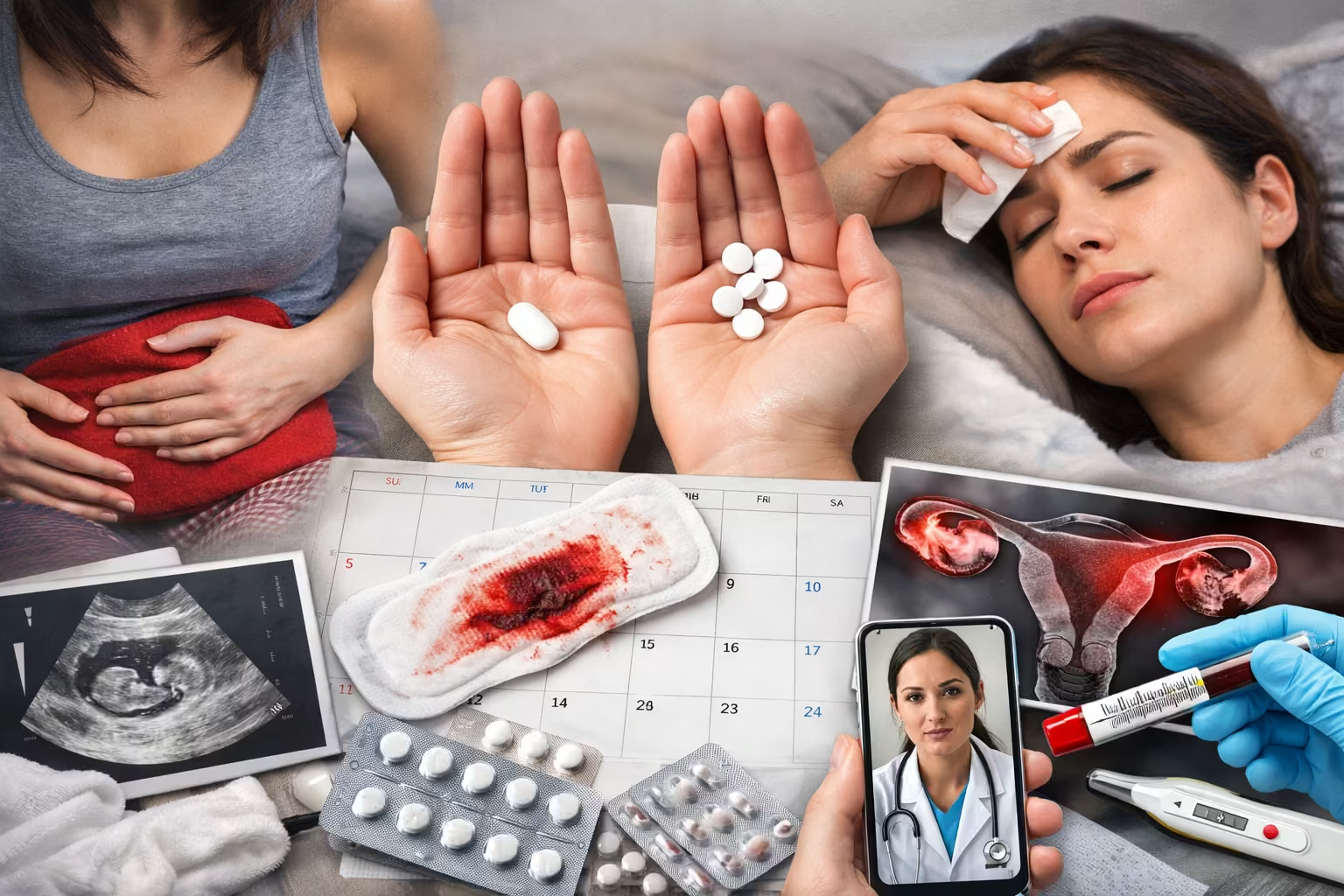
Many people wonder about the safety of ending a pregnancy with medicine. If you are looking for clear answers, you are in the right place. This guide explains everything about how these pills work. We will look at the facts, the latest 2026 data, and what to expect during the process.
What Are Abortion Pills and How Do They Work?
When we talk about the "abortion pill," we usually mean two different medicines. These are mifepristone and misoprostol. Doctors call this a "medical abortion" or "medication abortion." It is a non-surgical abortion method used in early pregnancy.
The abortion pill how it works is a two-step process. First, you take mifepristone. This pill blocks a hormone called progesterone. Your body needs this hormone to stay pregnant. Without it, the pregnancy cannot grow. It breaks down the uterine lining.
The second step involves misoprostol. You usually take this 24 to 48 hours later. This medicine makes the uterus contract. It causes the cervix to open. This helps your body push out the pregnancy tissue. It feels a lot like an early miscarriage.
Are Abortion Pills Safe?
The short answer is yes. Scientific groups and health experts agree that this is a very safe medical service.
According to the WHO abortion pill guidelines safety reports, serious problems are very rare. In fact, taking these pills is often safer than many everyday medicines you buy at a shop. Recent 2026 stats show that major issues happen in less than 1% of cases.
The FDA approved abortion pills safety profile has been studied for over 25 years. They have found that the risk of death is almost zero. It is actually much lower than the risk of carrying a pregnancy to full term or giving birth.
"Decades of research have shown that abortion is a very safe medical service... complications are rare and occur far less frequently than during childbirth." — KFF Health Report, January 2026.
Medical Abortion Safety
New data from early 2026 gives us a clear picture of how things are going. The abortion pill success rate remains very high.
- Success Rate: When used within the first 9 weeks, it works about 99.6% of the time.
- Complication Rate: Major problems like heavy bleeding needing a hospital stay happen in only 0.4% of people.
- Popularity: In 2025 and 2026, over 65% of all abortions in the US were done using pills.
- Telehealth: More people are using telehealth abortion pill safety services. Studies show that getting pills by mail is just as safe as going to a clinic in person.
If you need to find reliable medical information, Medicine Finder Online provides a great way to locate the resources you need quickly.
Common Abortion Pills Side Effects
Every medicine has side effects. Because these pills cause the body to pass a pregnancy, you will feel some physical changes. Knowing what is normal helps you stay calm.
Abortion pills side effects usually start after taking the second medicine, misoprostol. Common things you might feel include:
- Strong uterine cramping
- Heavy vaginal bleeding
- Nausea or vomiting
- Diarrhea
- Feeling very tired or weak
- Fever and chills (usually only for a few hours)
- Dizziness or headache
Abortion pill pain level varies for everyone. For some, it feels like a very heavy period. For others, the cramps are much stronger. Most doctors suggest taking ibuprofen before the second pill to help with the pain.
Abortion Pill Bleeding Duration and What is Normal
The heaviest bleeding usually happens 2 to 5 hours after taking misoprostol. This is when the pregnancy tissue usually leaves the body. You will see large blood clots. This is a normal part of the process.
After the pregnancy passes, the bleeding should slow down. However, abortion pill bleeding duration can last for a while. It is common to have spotting or light bleeding for 9 to 16 days. Some people might bleed on and off for up to 30 days until their next period.
Understanding the Risks of Abortion Pills
While the pills are safe, there are some risks of abortion pills to keep in mind.
Incomplete Abortion
Sometimes, the pills do not remove all the tissue from the uterus. This is called an incomplete abortion. If this happens, you might need a simple surgical procedure to finish the process.
Infection
An infection risk abortion pill is very low, happening in less than 1 in 100 cases. If you have a high fever that lasts for many hours or very bad stomach pain, you should call a doctor.
Ectopic Pregnancy
The ectopic pregnancy risk abortion pills is something to watch out for. An ectopic pregnancy is when a pregnancy grows outside the womb. The pills do not work for this. Doctors usually check for this with an ultrasound or by asking about pain.
Who Should Not Take Abortion Pills?
Not everyone can use this method. There are some abortion pill contraindications. You should talk to a doctor if you:
- Are more than 11 weeks pregnant
- Have an IUD (it must be removed first)
- Have a blood clotting problem
- Have severe adrenal failure
- Are allergic to the medicines
If you are looking for a way to manage your healthcare needs, Medicine Finder Online is a helpful tool for finding local providers.
Abortion Pill Dosage and Timing: A Step-by-Step Guide
Following the right abortion pill dosage and timing is very important for it to work well.
- Mifepristone (200mg): You take one pill by mouth. Most people feel fine after this, but some might have light spotting.
- Wait: You wait 24 to 48 hours.
- Misoprostol (800mcg): You take four pills. You usually put them in your mouth between your cheek and gums for 30 minutes, then swallow the rest. Some people put them in the vagina.
The abortion pill effectiveness weeks chart shows it is most successful the earlier it is used. At 6 weeks, it is nearly 100% effective. By 10 or 11 weeks, the success rate is slightly lower but still very high.
Abortion Pill Recovery Time: What to Expect After
Your abortion pill recovery time is usually quite fast. Most people feel much better the day after the pregnancy passes.
- First 24 Hours: Rest as much as you can. Use a heating pad for cramps.
- First Week: You can usually go back to work or school the next day. Avoid heavy lifting if you still feel weak.
- Follow-up: It is a good idea to take a pregnancy test after 3 or 4 weeks to make sure the pills worked.
Many people worry about future health. Research shows there are no long term damage issues. Using these pills does not cause infertility or problems with future pregnancies.
Abortion Pill vs Surgical Abortion Safety
When comparing abortion pill vs surgical abortion safety, both are excellent options.
- Medical Abortion: Is non-invasive. It can be done at home. It feels more "natural" to some.
- Surgical Abortion: Is faster. It happens in a clinic. It is slightly more effective at later stages of pregnancy.
Both have very low complication rates. The choice usually depends on what makes you feel more comfortable.
When to Seek Medical Help?
Even though abortion pill complications are rare, you must know when to get help. Go to an emergency room or call your doctor if:
- You soak through two large maxi pads every hour for two hours in a row.
- You have a fever over 100.4°F (38°C) that lasts more than 4 hours.
- You have severe pain that medicine does not help.
- You have a very bad smell coming from the vagina.
- You still feel pregnant after 4 weeks.
The Importance of Clinical Supervision
While at-home abortion pill safety is high, it is best to have clinical supervision. This can be through a video call with a doctor. They can give you a mifepristone safety talk and explain the misoprostol side effects clearly. This ensures you have the right safe dosage of misoprostol and know exactly what to do.
Final Thoughts
In conclusion, the data from 2026 proves that early pregnancy abortion pills safety is world-class. Whether you use a clinic or a telehealth service, you are using a method that is backed by years of science.
Always make sure you get your pills from a trusted source. This protects you from fake medicines. By understanding the risks and benefits, you can make the best choice for your health and your future.
Frequently Asked Questions
Are abortion pills safe for a first pregnancy?
Yes. Taking these pills for your first pregnancy is very safe. It does not affect your ability to have children in the future.
How painful are abortion pills really?
It is different for everyone. Most people say it is like a very bad period with strong cramps. Using heat packs and ibuprofen helps a lot.
Is medical abortion safe at home?
Yes, it is very safe to manage at home if you are less than 11 weeks pregnant and have access to a phone to call a doctor if needed.
What happens if the abortion pill fails?
If the abortion pill failure signs appear (like still feeling pregnant), you will usually need a simple surgical procedure to finish the abortion.
How much bleeding is normal after an abortion pill?
Heavy bleeding with clots is normal for a few hours. After that, light bleeding like a period can last for one to two weeks.
Can abortion pills cause infertility?
No. There is no evidence that safe medical abortions cause any problems with getting pregnant later.
When should I see a doctor after taking the pills?
You should see a doctor if you have signs of an infection, very heavy bleeding, or if you still feel pregnant after a few weeks.

Meet the Author
Dr. James Harrison, PharmD
Dr. James Harrison is a Doctor of Pharmacy and Senior Medical Content Specialist with over 17 years of experience in pharmacology, clinical research, and patient education.
He has worked with hospital pharmacy teams and healthcare research groups in the United States and Europe. His main focus is making complex medicine information simple, clear, and safe for everyday users.
Dr. Harrison writes helpful guides about medicine search, generic alternatives, active ingredients, salt composition, drug interactions, dosage forms, and safe medicine usage.
His writing style is simple and practical. Every article is created to help users understand medicines by brand name, generic name, salt name, or composition without confusion.
Areas of Expertise: Generic medicines, medicine composition, drug lookup systems, brand vs generic comparison, side effects, prescription vs OTC medicines, and safe medicine identification.
View All Articles by Dr. James HarrisonLeave a Review
Did this article help you understand your medicine better? Share your feedback with us. Your review helps us improve our content and create more useful medicine guides for readers.