What Happens If You Mix These Common Medicines?
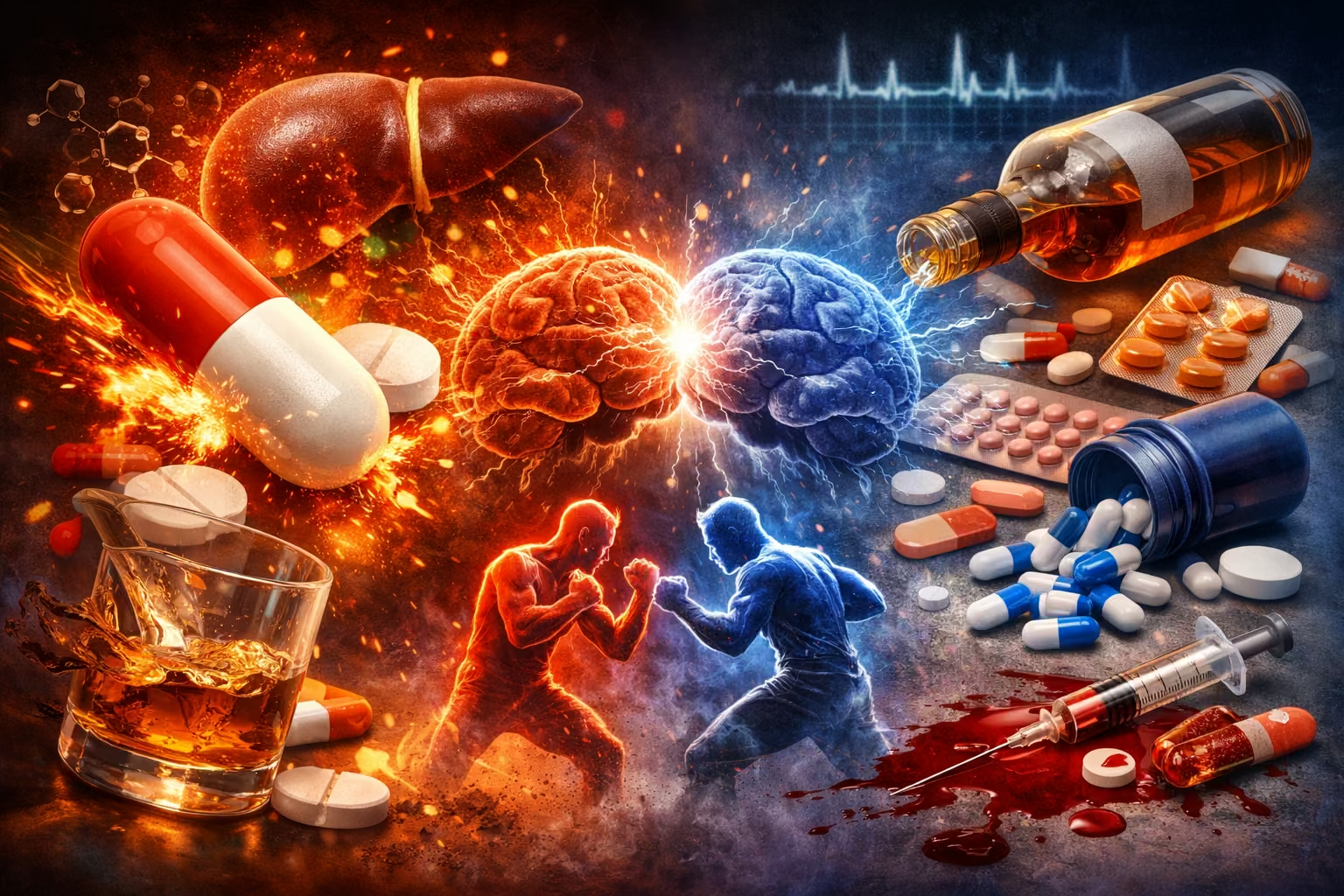
We all do it. You have a nagging headache and a stiff back. You reach into the cabinet and grab two different bottles. You think that more medicine means faster healing. But our bodies do not work like a simple math equation. When you put two different drugs in your system, they start a conversation. Sometimes that conversation is a friendly one. Other times, it turns into a violent argument that can land you in the hospital.
Mixing common medicines is a silent risk that millions of people take every single day. In 2026, the data shows that adverse drug reaction (ADR) cases have risen by 15% since the start of the decade. This is not because the pills are worse. It is because we have more access to medicine than ever before. We buy things over the counter without reading the tiny print on the back of the box. We think if a store sells it without a note from a doctor, it must be safe. That logic is dangerous.
The Hidden War Inside Your Body
When you swallow a pill, it goes to your stomach. Then it moves to your liver. Your liver is like a high-tech filter. It uses things called enzymes to break the medicine down. One very important worker in your liver is the CYP3A4 enzyme. This worker handles about half of all the drugs we take. If you take two drugs that both need the same worker, they start to fight. One drug might get processed too fast. The other might sit in your blood and build up to toxic levels. This is called a pharmacokinetic interaction.
It is not just about the liver. Sometimes drugs hit the same target in your brain or heart. This is a pharmacodynamic interaction. Think of it like two people trying to sit in the same chair at the same time. The result is usually a crash. This is why understanding what happens if you mix medications is a life-saving skill.
The Dangerous Duo: Mixing Ibuprofen and Alcohol
This is perhaps the most common mistake made in homes today. You had a few drinks at dinner. Now your head hurts. You reach for ibuprofen. This is a type of medicine called NSAIDs. On their own, they work great for pain. But when you add alcohol to the mix, you are asking for trouble.
Both alcohol and ibuprofen irritate the lining of your stomach. When they team up, they can cause small holes or ulcers. Even worse, they create an increased bleeding risk. You might not feel it right away. But inside, your stomach is struggling. Latest 2026 stats from the Global Health Safety Council show that 1 in 10 emergency room visits for internal bleeding involved this specific drug combination.
If you are wondering what happens if you mix ibuprofen and alcohol, the answer is often "nothing good." You might feel dizzy. You might feel sick to your stomach. In the worst cases, your blood pressure might drop because of internal loss of blood. Always wait at least 12 to 24 hours after drinking before you touch an NSAID.
Does Antibiotics Cancel Birth Control?
This question keeps many people up at night. For years, people have whispered that taking a pill for a sore throat will stop your pregnancy protection from working. Let's look at the facts for 2026. For most common antibiotics, the risk is very low. However, certain specific ones like Rifampin are a huge problem.
These drugs speed up your liver. They make your body get rid of the hormones in the birth control too fast. This leads to reduced contraceptive effectiveness. If you are on the pill and start a new round of medicine, always ask your doctor about the antibiotics and birth control interaction. It is better to use a backup method for a week than to have a surprise you are not ready for.
New research on drug interactions suggests that even minor gut changes from antibiotics can affect how we soak up hormones. While the "cancel" myth is mostly for specific drugs, the safety rule is simple. If you are taking both, be extra careful. The antibiotics and contraceptive pill interaction 2026 data reminds us that our bodies are unique. What works for your friend might not work for you.
The Silent Killer: Blood Thinner Interaction
If you take medicine to keep your blood from clotting, you must be a detective. Many simple things can mess with these drugs. Taking an extra aspirin or even too much Vitamin E can thin your blood too much. This creates a major vs moderate interactions gap that can be deadly.
A blood thinner interaction can make a simple bruise look like a giant purple mountain on your skin. It can make a small cut bleed for an hour. People often take over the counter drug interactions lightly. They think a "natural" supplement cannot hurt. But many herbs act like drugs. They can interfere with how your blood clots. This leads to a massive stroke or heart risk.
Mixing Painkillers and Alcohol Side Effects
We live in a world where many people deal with chronic pain. They might take a prescription pill in the morning. Then they have a glass of wine at night. This is a recipe for sedation risk. Painkillers, especially the strong ones, slow down your breathing. Alcohol does the exact same thing.
When you mix painkillers and alcohol side effects, you might stop breathing in your sleep. Your brain forgets to tell your lungs to move. This is why medication safety warnings are so strict about "No Alcohol." It is not about being a party pooper. It is about keeping your lungs moving while you dream.
Medical experts often say that your liver can only do one big job at a time. If it is busy cleaning up alcohol, it cannot handle the pain meds. This leads to liver toxicity. Your liver cells start to die. You cannot grow a new liver easily. Treat the one you have with respect.
The Mystery of Serotonin Syndrome
Many people take pills for "the blues" or anxiety. These are called antidepressants. They work by changing the chemicals in your brain. One of those chemicals is serotonin. It makes you feel happy and calm.
But there is a dark side. If you take a cold medicine or a certain type of headache pill while on an antidepressant, your serotonin levels can skyrocket. This is called serotonin syndrome. It feels like a bad fever. Your heart beats fast. You might sweat or shake. In 2026, we are seeing more cases of this because people are mixing cold medicine and alcohol or mixing antidepressants and alcohol risks without knowing the chemistry.
Your brain is a delicate balance. Adding too much of one chemical is like pouring too much salt into a soup. You cannot just take it back out. If you feel confused or start shivering after taking a new pill, get help fast.
Common Drug Interactions People Ignore
We often focus on the big scary drugs. But the little ones matter too. Did you know that some blood pressure pills do not mix with common decongestants? If you have a cold and high blood pressure, taking a "sinus" pill can make your heart race. It can push your pressure into the danger zone.
Many people ask, "Can I take ibuprofen with blood pressure medicine?" The answer is usually no. Ibuprofen can make your kidneys hold onto salt and water. This raises your blood pressure. It also makes your pressure pills work less effectively. This is one of those common medicine interactions that people ignore until they feel a pounding in their chest.
Always check for contraindications on the label. That big word just means "reasons you should not take this." If you see your medicine listed there, put the bottle down. It is not worth the risk to your heart or kidneys.
Prescription Drug Combinations Risk
When a doctor gives you a new script, they usually check your file. But sometimes we see different doctors. One doctor fixes your skin. Another fixes your stomach. If they don't talk to each other, you end up with a prescription drug combinations risk.
In 2026, the best way to stay safe is to use one single pharmacy. This way, their computer can flag a drug interaction symptoms alert before you even leave the store. If you use five different shops, nobody has the full picture. You become the only person responsible for your safety. That is a heavy load to carry.
Medicine Finder Online provides the tools you need to check your pills before you take them.
Which Medicines Should Never Be Mixed?
If we had to make a "Danger List," it would start with these. Never mix two different NSAIDs like aspirin and naproxen. It won't help the pain more, but it will hurt your stomach twice as hard. Never mix sleeping pills with anything that makes you drowsy. This includes allergy meds or alcohol.
Another big one is "G" herbs. Garlic, Ginger, Ginkgo, and Ginseng. These all thin the blood. If you take them with a prescription blood thinner, you are in the danger zone. Most people think "natural" means "safe." In the world of medicine, that is a lie. Nature is powerful. Powerful things have side effects.
The latest FDA medication warnings for 2026 have added new alerts for common heart meds mixed with grapefruit juice. Yes, even fruit juice can be a drug. It blocks the worker enzymes in your gut. This makes your heart medicine stay in your body too long. It can make your heart beat in a weird rhythm.
Spotting Drug Interaction Symptoms
How do you know if your pills are fighting? Your body will tell you. Look for these red flags.
First, look for extreme sleepiness. If you can't keep your eyes open after a pill, something is wrong. Second, check your skin. Rashes or hives are a sign of a bad reaction. Third, watch your stomach. If you feel a sharp pain or see dark, tar-like poop, you might have internal bleeding.
A medication safety alert should go off in your brain if you feel "weird" in a way you can't explain. Don't wait for it to go away. Call a nurse or a doctor. It is much easier to fix a problem early than to wait until your organs start to struggle.
The Updated 2026 Safety Guide for Your Home
Keeping your family safe is a daily job. Start by cleaning out your medicine cabinet. Throw away anything that is expired. Old pills change their chemical shape. They can become more toxic or just stop working.
Keep a list of every single thing you take. This includes vitamins, protein shakes, and tea. When you see a doctor, show them the list. Don't try to remember it. Our brains forget things when we are stressed or sick. A written list is a shield for your health.
Medicine Finder Online helps you stay updated on the newest health alerts.
Understanding Your Drug Metabolism
Everyone has a different speed for their body. Some people break down drugs fast. Others take a long time. This is why one person can drink coffee at night and sleep, while another stays awake for two days.
Your drug metabolism is based on your genes, your age, and your weight. As we get older, our kidneys and liver slow down. A dose that was safe at age 30 might be too much at age 70. This is why we see so many more ADR cases in older adults. They are often taking ten or more pills a day. The chance of a mistake goes up with every new bottle.
The Future of Medication Safety
As we move through 2026, we are seeing new ways to stay safe. Some pharmacies are using smart caps on bottles. They glow if you try to open them too soon. Others use apps that scan your pills and tell you if they are safe to mix.
But technology is just a tool. The best tool is your own brain. Being curious about what you put in your mouth is the first step. Don't just trust a colorful box. Ask "Why am I taking this?" and "What else is in my system?" These two questions can save your life.
The trending drug combinations to avoid change every year as new research comes out. Stay informed. Read the news. Talk to your pharmacist. They are the most underused experts in the health world. They spend years learning about chemistry. Use that knowledge.
Summary of Risks
Mixing common medicines is not a game. It is high-stakes chemistry. From the sedation risk of mixing painkillers and alcohol to the confusion of serotonin syndrome, the risks are real. We must move away from the "more is better" mindset.
Take only what you need. Take it exactly how the label says. If you aren't sure, don't swallow it. Your body is a temple, not a lab for random experiments. By following these rules, you can enjoy the benefits of modern medicine without the hidden dangers.
Final Words
Your health is your greatest wealth. In a world full of quick fixes, the best fix is often caution. We have seen how mixing ibuprofen and alcohol can hurt your stomach. We have learned how antibiotics and birth control interaction can lead to surprises. We now know that the CYP3A4 enzyme is a busy worker that needs our help, not more stress.
Stay safe by being smart. Use the 2026 safety tips to guard your home. Keep your lists updated. Ask the hard questions. When you take control of your medication safety, you take control of your future. Let's make this year the safest one yet for everyone.
FAQs
Can I take Tylenol and Ibuprofen together?
Yes, you can usually take these two together because they work in different ways. Tylenol works on the brain’s pain signals. Ibuprofen works on the site of the pain to stop swelling. However, taking them together for a long time can hurt your kidneys. Always talk to a doctor before making this a habit.
How long should I wait to drink alcohol after taking medicine?
For most common pills, you should wait at least 24 hours. Some drugs stay in your system for days. If the bottle says "Avoid Alcohol," it means for the whole time you are taking the medicine and for a day after you finish.
What are the signs of a drug interaction?
Look for fast heartbeat, trouble breathing, skin rashes, or sudden extreme tiredness. If you feel like you are "tripping" or very confused, that is a major warning sign.
Can I take cold medicine with my antidepressants?
You must be very careful. Many cold meds have a "D" in the name or contain dextromethorphan. This can cause serotonin syndrome when mixed with antidepressants. Always check with a pharmacist first.
Does food affect how my medicine works?
Yes. Some drugs need food so they don't hurt your stomach. Others need an empty stomach so they can soak into your blood. Even things like milk or grapefruit juice can stop a pill from working or make it too strong.
Is it safe to mix vitamins with my prescriptions?
Not always. For example, Calcium can stop some antibiotics from working. St. John's Wort can make birth control fail. Never assume a vitamin is "free" of side effects.

Meet the Author
Dr. James Harrison, PharmD
Dr. James Harrison is a Doctor of Pharmacy and Senior Medical Content Specialist with over 17 years of experience in pharmacology, clinical research, and patient education.
He has worked with hospital pharmacy teams and healthcare research groups in the United States and Europe. His main focus is making complex medicine information simple, clear, and safe for everyday users.
Dr. Harrison writes helpful guides about medicine search, generic alternatives, active ingredients, salt composition, drug interactions, dosage forms, and safe medicine usage.
His writing style is simple and practical. Every article is created to help users understand medicines by brand name, generic name, salt name, or composition without confusion.
Areas of Expertise: Generic medicines, medicine composition, drug lookup systems, brand vs generic comparison, side effects, prescription vs OTC medicines, and safe medicine identification.
View All Articles by Dr. James HarrisonLeave a Review
Did this article help you understand your medicine better? Share your feedback with us. Your review helps us improve our content and create more useful medicine guides for readers.