How to Check Drug Interactions Like a Pro
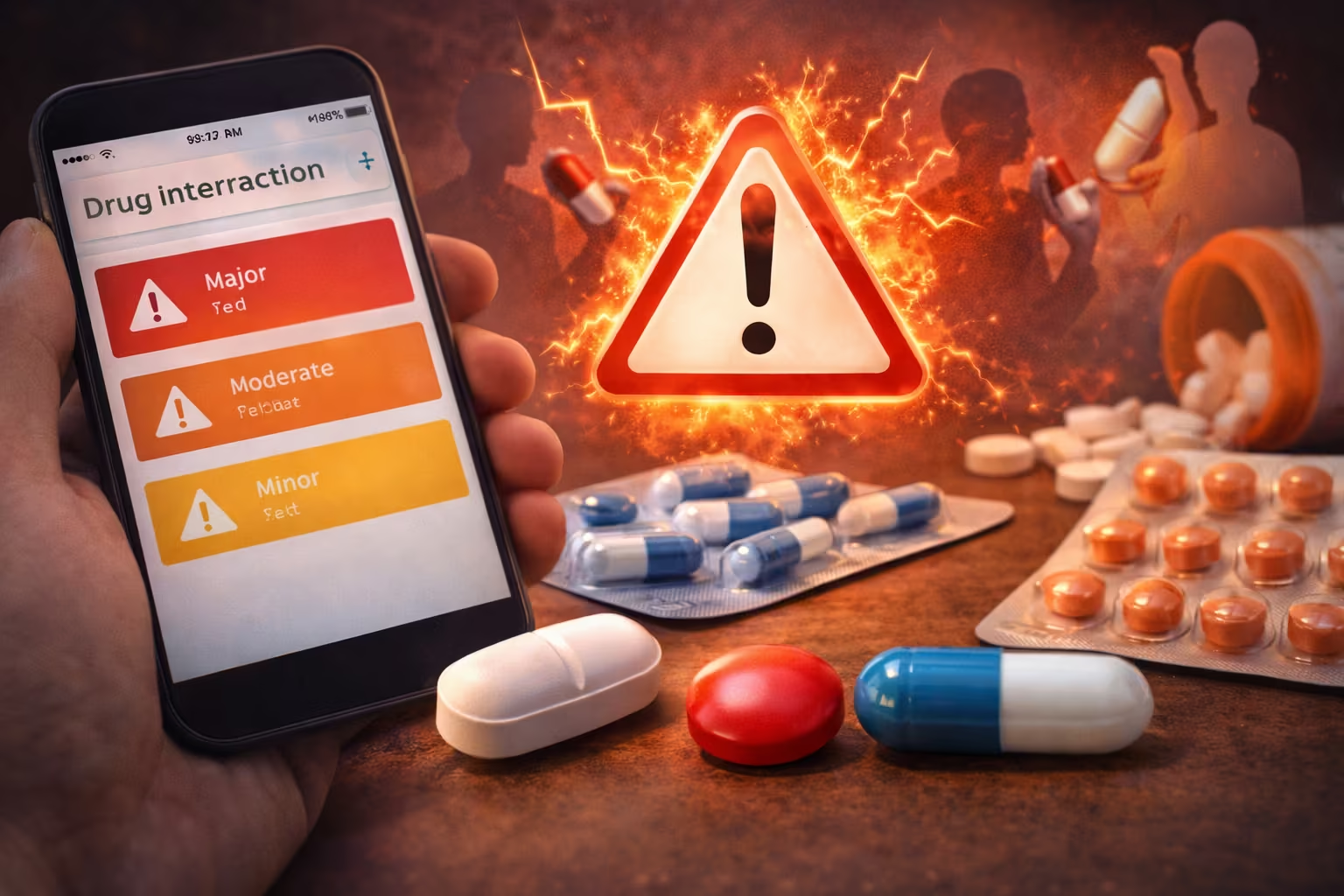
Mixing different pills can feel like a high-stakes guessing game. One moment you feel fine. The next, your stomach is in knots or your head is spinning. This happens because medicines do not always play nice together. If you want to stay safe, you need to know how to check drug interactions like a pro. This guide will show you exactly how to do that without needing a medical degree.
Why You Should Care About Medication Safety in 2026?
The world of health is changing fast. By 2026, experts predict that over 60% of adults in the US and UK will take at least five different pills every day. Doctors call this polypharmacy risk. When you take many things at once, the chance of a bad reaction goes up. It is not just about prescription drugs either. Vitamins, herbal teas, and even the food you eat can change how your medicine works.
If two drugs clash, it is called an adverse drug reaction (ADR). Some of these are small, like a dry mouth. Others can be very dangerous. This is why using a drug interaction tool is a literal lifesaver. You do not have to wait until you feel sick to find a problem. You can spot it before the first dose.
The Secret Language of Drug Interactions
Before we dive into the tools, we need to understand the three main ways medicines fight. Think of your body like a busy kitchen. If two chefs try to use the same stove at the same time, dinner gets ruined.
Pharmacokinetic Interaction
This is about how your body moves the medicine around. Your liver uses something called cytochrome P450 metabolism to break down drugs. If one pill speeds up this process, the second pill might disappear too fast. If a pill slows it down, the second drug could build up to toxic levels. This is a very common way for things to go wrong.
Pharmacodynamic Interaction
This happens when two drugs try to do the same thing or opposite things. Imagine taking one pill to sleep and another to stay awake. They fight for control of your brain. This can lead to a major clash where neither drug works right, or both work too much.
Contraindications: When "No" Means "Never"
Sometimes, a drug is a total no-go for certain people. These are called contraindications. For example, if you have a specific heart issue, some cold medicines are off-limits. Always look for a black box warning on the label. That is the highest safety alert the government gives. It means the drug has a known, serious risk.
How to Check Drug Interactions Online Free?
You do not need to spend money to stay safe. There are many ways to check drug interactions online free of charge. Most people start with a simple web search, but that can be messy. You might find scary stories that are not true.
The best way is to use a dedicated medication interaction checker. These sites use massive databases that doctors use too. You just type in the names of your pills. The system then scans thousands of medical papers in a second. It looks for any red flags.
Medicine Finder Online offers a quick way to find the latest data on pill safety.
A Step by Step Drug Interaction Check
Doing this right takes a few minutes. Follow these simple steps to be a pro.
- Gather Your Bottles: Line up every single thing you take. This includes your daily vitamins and that herbal tea you bought last week.
- Find the Exact Names: Look for the "active ingredient." Sometimes a store brand has a different name than a big brand, but the chemical inside is the same.
- Use a Reliable Drug Interaction Checker 2026: Go to a trusted site. Type in your first drug. Then add the second, third, and so on.
- Read the Results Carefully: Look for how the site ranks the risk. They usually use labels like major, moderate, or minor.
- Check for Food Warnings: Some pills cannot be taken with grapefruit juice or milk. The tool should tell you this.
How to Identify Drug Interactions at Home?
You might notice a problem before a computer does. If you start a new pill and feel weird, pay attention. Are you suddenly very tired? Is your skin itchy? These are clues.
How to know if medicines interact often comes down to timing. If the symptoms started right after a new dose, that is a big hint. You should keep a small notebook. Write down the time you take your pills and how you feel an hour later. This makes medication safety monitoring much easier for your doctor to understand.
High-Risk Combinations You Should Know
Some pairs are famous for causing trouble. Doctors call these high-risk medications.
- Blood Thinners and Aspirin: Both make your blood "slippery." Taking both can cause internal bleeding.
- Alcohol and Sleep Pills: This is a major danger. Both slow down your breathing. Together, they can stop it entirely.
- Antibiotics and Birth Control: Some strong germ-killers can make your birth control stop working.
- Supplements and Heart Meds: St. John’s Wort is a popular herb, but it messes with many heart drugs. This is why a supplement-drug interaction check is vital.
Using a Drug Interaction Tool for OTC Meds
Many people think over-the-counter (OTC) drugs are totally safe. This is a mistake. A prescription + OTC interaction can be just as bad as two strong prescriptions. For example, many people take a daily pill for blood pressure. If they grab a common cold pill from the grocery store, their blood pressure might spike.
Always check interactions between prescription and OTC drugs. Never assume that because you bought it without a doctor's note, it cannot hurt you. Even simple pain relievers can clash with other meds.
How to Check Food and Drug Interactions?
Food is fuel, but it is also chemistry. Your stomach is a chemistry lab. When you drop a pill into that lab, what you ate matters.
- Dairy: Milk can block some antibiotics from entering your blood.
- Leafy Greens: Kale and spinach are great, but they have Vitamin K. This can stop blood thinners from working.
- Grapefruit: This fruit blocks the liver from breaking down certain cholesterol drugs.
An online drug interaction database will usually list these food rules. If it says "take on an empty stomach," follow that rule perfectly.
Can I Check Drug Interactions at Home?
Yes, you absolutely can. With a smartphone or computer, you have the same data as a pharmacy. However, you should never stop taking a pill just because a website said there is a "moderate" risk.
The best way to check medication interactions is to use the tool to make a list of questions. Take that list to your pharmacist. Say, "I saw that these two might have a pharmacokinetic interaction. Should I change my dose?" This makes you a partner in your own care.
Dealing with Dosage Adjustment
Sometimes, an interaction does not mean you stop the drug. It just means you need a dosage adjustment. Maybe you take one in the morning and the other at night. Spacing them out can sometimes solve the problem. Only a doctor should tell you how to change your timing.
The Role of the FDA and Global Alerts
The FDA drug safety alerts are updated all the time. In 2026, these alerts are sent out faster than ever. If a new problem is found with a common drug, it hits the news quickly. A good drug interaction safety guide will be updated with these facts every single week.
For the most accurate and up-to-date information, visit Medicine Finder Online today.
How to Avoid Dangerous Drug Combinations?
Prevention is better than a cure. To avoid these traps, try to use only one pharmacy. If one shop has your whole history, their computer will beep if a new doctor prescribes something that clashes.
Also, always tell your dentist or eye doctor about your pills. Even a local numbing shot can sometimes react with what you take for your mood or heart.
Final Words
Checking your meds is not about being scared. It is about being smart. When you know how to identify drug interactions, you take control of your health. Use the tools. Ask the questions. Stay curious. Your body will thank you for the extra care.
FAQs
How do I check drug interactions online?
Go to a trusted medical site or a drug interaction checker. Type in the names of all your medications, including vitamins and supplements. The tool will show you any risks.
Are online drug interaction checkers accurate?
Most use official medical databases. However, they are a guide, not a final answer. Always talk to a pharmacist to confirm what the tool tells you.
Can I check interactions between vitamins and prescriptions?
Yes. Many tools have a specific section for a supplement-drug interaction. This is very important because many herbs change how your liver processes medicine.
What is a major drug interaction?
A major interaction means the combination is very dangerous. It could cause permanent damage or be life-threatening. You should almost never take these together.
Is there a free app to check drug interactions?
Many health apps offer this for free. Just make sure the app is updated for 2026 to ensure you have the latest safety data and FDA alerts.
Does food really change how medicine works?
Yes. Food can speed up, slow down, or totally block medicine. This is why some pills must be taken with food while others must be taken on an empty stomach.
What should I do if I find a dangerous interaction?
Do not panic. Do not stop your medicine immediately if it is for a serious condition. Call your doctor or pharmacist right away and tell them what you found. They will help you switch safely.

Meet the Author
Dr. James Harrison, PharmD
Dr. James Harrison is a Doctor of Pharmacy and Senior Medical Content Specialist with over 17 years of experience in pharmacology, clinical research, and patient education.
He has worked with hospital pharmacy teams and healthcare research groups in the United States and Europe. His main focus is making complex medicine information simple, clear, and safe for everyday users.
Dr. Harrison writes helpful guides about medicine search, generic alternatives, active ingredients, salt composition, drug interactions, dosage forms, and safe medicine usage.
His writing style is simple and practical. Every article is created to help users understand medicines by brand name, generic name, salt name, or composition without confusion.
Areas of Expertise: Generic medicines, medicine composition, drug lookup systems, brand vs generic comparison, side effects, prescription vs OTC medicines, and safe medicine identification.
View All Articles by Dr. James HarrisonLeave a Review
Did this article help you understand your medicine better? Share your feedback with us. Your review helps us improve our content and create more useful medicine guides for readers.