Grapefruit and Medicines: What Drugs Should Never Be Mixed with Grapefruit Juice?
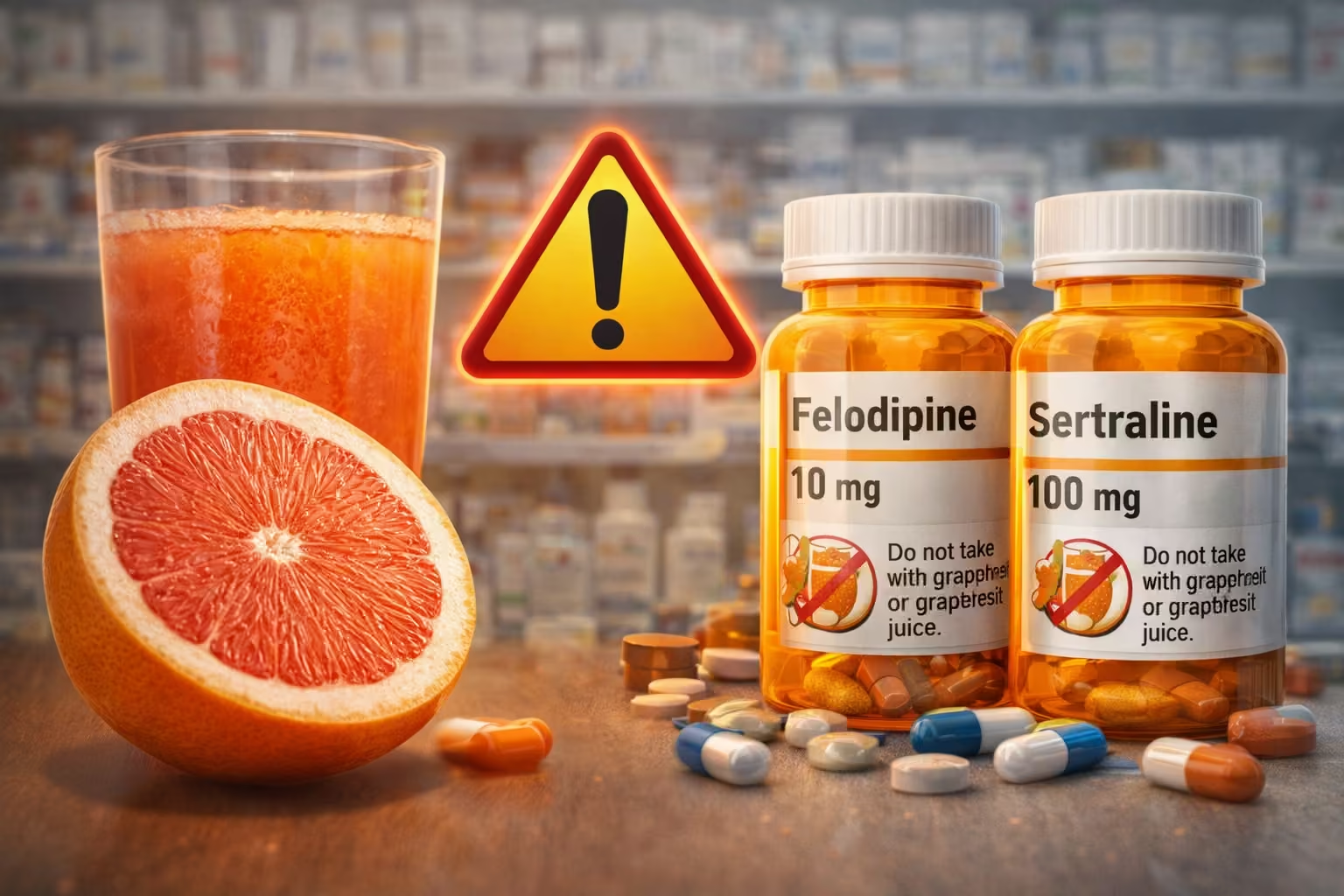
Have you ever looked at a tiny sticker on your pill bottle and wondered why it tells you to skip your morning juice? It seems strange. Grapefruit is a healthy fruit. It is full of Vitamin C and fiber. But for people taking certain pills, this tart fruit can turn into a hidden danger.
In this guide, we will look at why grapefruit drug interactions happen. We will check the latest 2026 lists of medicines that do not mix with this fruit. Staying safe starts with knowing what is in your kitchen and what is in your medicine cabinet.
Why Does Grapefruit Affect Medication?
You might think the juice just washes the pill down. However, it does something much deeper inside your body. The secret lies in a group of natural chemicals called furanocoumarins.
These chemicals are like a "stop sign" for a specific worker in your gut. This worker is an enzyme called CYP3A4 enzyme. Usually, this enzyme breaks down your medicine so your body does not get too much at once. When you eat grapefruit, those furanocoumarins "break" the enzyme.
Because the enzyme cannot do its job, the medicine stays in your blood. This leads to an increased drug concentration. Instead of one dose, your body might feel like it took five or ten. This makes adverse drug reaction (ADR) much more likely.
The Science of Drug Metabolism and Bioavailability
When we talk about drug metabolism, we are talking about how your body processes a chemical. For many drugs, the path starts in the small intestine. This is where the cytochrome P450 inhibition happens.
If you block these enzymes, the bioavailability of the drug goes up. That is a fancy word for how much of the medicine actually enters your bloodstream. High bioavailability sounds good, but for prescription pills, it can lead to a toxicity risk.
Your safety is the most important thing. If you need a reliable way to check your prescriptions, you can visit Medicine Finder Online to learn more about your health options.
2026 List of Medications That Interact with Grapefruit
The list of affected drugs is growing. As of the updated 2026 medication list, more than 90 drugs are known to have dangerous grapefruit interactions.
Grapefruit and Statins Interaction
Statins are used to lower cholesterol. They are some of the most common pills in the world. However, mixing grapefruit and statins interaction can lead to muscle pain or even kidney failure.
- Atorvastatin (Lipitor)
- Simvastatin (Zocor)
- Lovastatin (Mevacor)
If you take these, even a small amount of juice can cause grapefruit juice and statins side effects like dark urine or extreme weakness.
Grapefruit and Blood Pressure Medication
Many people ask: can I drink grapefruit juice with blood pressure medicine? For many, the answer is no. Specifically, calcium channel blockers are very sensitive.
- Felodipine (Plendil)
- Nifedipine (Adalat)
- Verapamil (Calan)
When you mix grapefruit and blood pressure medication, your blood pressure can drop too fast. This makes you feel dizzy or faint.
Anti-Anxiety and Antidepressants
Is grapefruit dangerous with antidepressants? It can be. Some drugs for mood and sleep stay in the body too long when mixed with citrus.
- Sertraline (Zoloft)
- Buspirone (Buspar)
- Diazepam (Valium)
These anti-anxiety medications can make you feel extra sleepy or "spaced out" if you have grapefruit in your system.
Which Medicines are Affected by Grapefruit?
Not every pill is a problem. For example, some blood pressure drugs like Lisinopril are perfectly fine. The key is how the liver and gut process the pill.
According to the latest FDA grapefruit warnings, you should look for specific contraindications on your labels. A medication safety warning is usually bright orange or yellow on the side of the bottle.
Other Dangerous Pairs
- Immunosuppressants: These help people who had organ transplants. Drugs like Cyclosporine or Tacrolimus must be kept at a very steady level.
- Erectile Dysfunction Drugs: Mixing Sildenafil (Viagra) with juice can lead to headaches or low blood pressure.
- Anti-arrhythmics: Heart rhythm drugs like Amiodarone can become toxic very quickly.
How Long After Taking Medicine Can I Eat Grapefruit?
This is a very common question. Many people think if they take their pill at night and drink juice in the morning, they are safe. This is a mistake.
Because the juice stops the enzyme from working for a long time, the effect can last for 24 to 72 hours. To be 100% safe, most doctors say you should avoid the fruit entirely if your medicine is on the grapefruit interaction list.
If you are looking for alternatives, most oranges, lemons, and limes are safe. Just stay away from Seville oranges (used in marmalade) and pomelos, as they act just like grapefruit.
Important Stats for 2026
- In 2025, over 15,000 hospital visits were linked to food-drug interactions.
- Research shows that 200ml of juice (less than a cup) is enough to cause a reaction.
- Approximately 50% of all medicines are processed by the enzymes that grapefruit blocks.
- Medicine Finder Online helps people stay informed about these risks every day.
Final Words
Understanding grapefruit and medication interactions is a vital part of taking care of yourself. While grapefruit is a "superfood" for many, it is a "no-go" for those on specific prescriptions. Always read your labels. Always talk to your pharmacist.
A simple choice at the breakfast table can make a huge difference in your health. If your medicine bottle has a warning, listen to it. Your heart, kidneys, and muscles will thank you.
Frequently Asked Questions (FAQs)
Why can’t you take medicine with grapefruit?
Grapefruit has chemicals that stop your body from breaking down the medicine. This causes the medicine to build up in your blood, which can be poisonous.
What drugs should not be taken with grapefruit juice?
The main groups are statins for cholesterol, calcium channel blockers for blood pressure, and certain anti-anxiety or organ transplant drugs.
How does grapefruit affect medication?
It blocks an enzyme in your gut. Without this enzyme, your body absorbs too much of the drug too quickly.
Is there a grapefruit interaction with cholesterol medication?
Yes. Statins like Simvastatin and Atorvastatin are the most common ones that cause problems.
Can I eat the fruit but not drink the juice?
No. Both the fresh fruit and the juice contain the same furanocoumarins that cause the interaction.

Meet the Author
Dr. James Harrison, PharmD
Dr. James Harrison is a Doctor of Pharmacy and Senior Medical Content Specialist with over 17 years of experience in pharmacology, clinical research, and patient education.
He has worked with hospital pharmacy teams and healthcare research groups in the United States and Europe. His main focus is making complex medicine information simple, clear, and safe for everyday users.
Dr. Harrison writes helpful guides about medicine search, generic alternatives, active ingredients, salt composition, drug interactions, dosage forms, and safe medicine usage.
His writing style is simple and practical. Every article is created to help users understand medicines by brand name, generic name, salt name, or composition without confusion.
Areas of Expertise: Generic medicines, medicine composition, drug lookup systems, brand vs generic comparison, side effects, prescription vs OTC medicines, and safe medicine identification.
View All Articles by Dr. James HarrisonLeave a Review
Did this article help you understand your medicine better? Share your feedback with us. Your review helps us improve our content and create more useful medicine guides for readers.