Abortion Pill Bleeding: What’s Normal and What’s Dangerous?
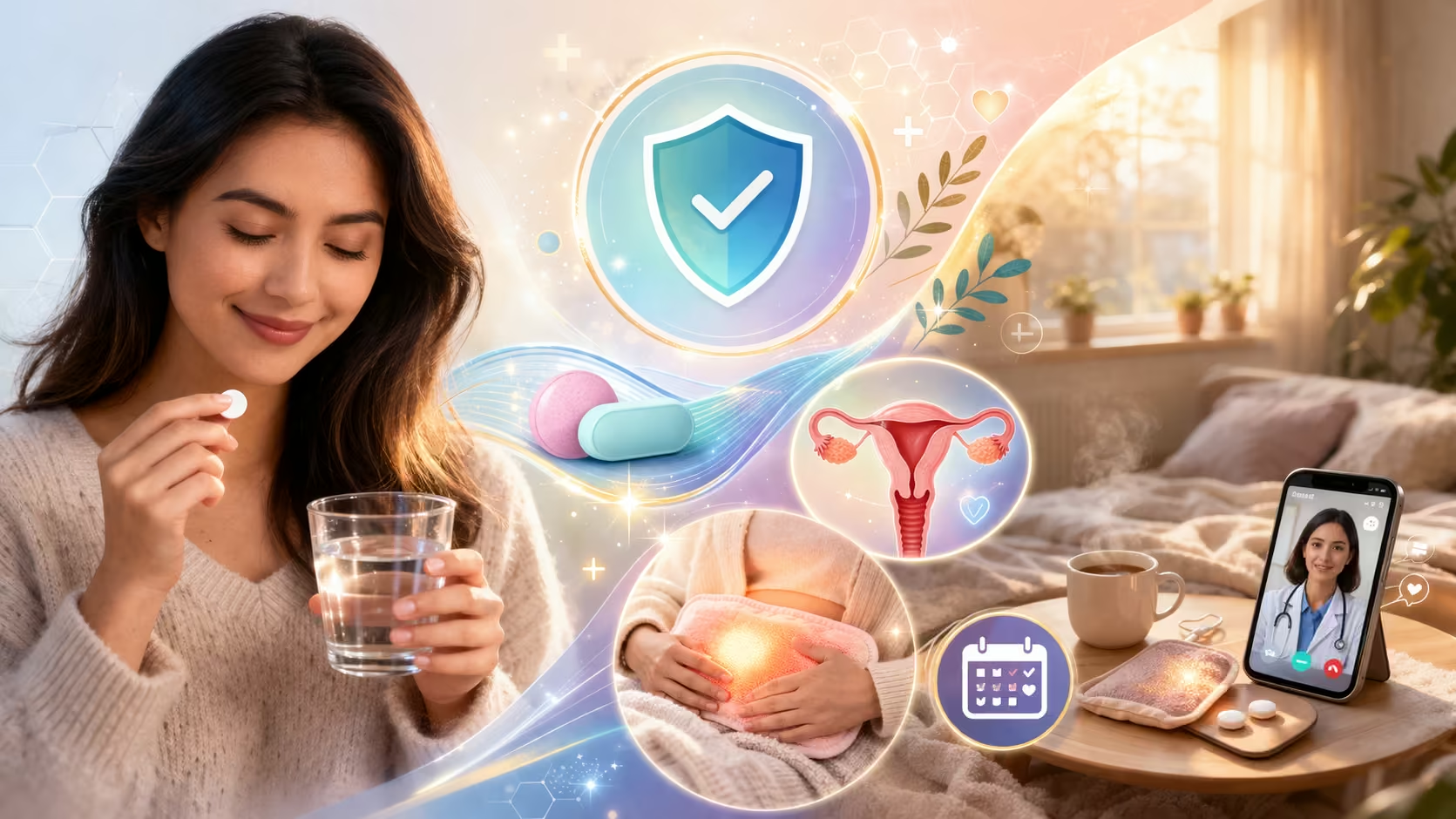
When you choose to end a pregnancy at home, the most common question is about the blood. You want to know if what you see in the bathroom is a sign of success or a reason to call a doctor. This guide breaks down every detail of abortion pill bleeding to keep you safe and informed.
Recent 2026 health data shows that medication abortion now accounts for over 65% of all pregnancy terminations in the US. This shift is due to the high success rate and the comfort of being in your own space. However, managing medical abortion at home requires you to be your own health monitor. Understanding the difference between a heavy flow and a medical emergency is the most vital part of your recovery.
Is it Safe to Take Abortion Pills at Home?
The short answer is yes. Decades of research and updated 2026 World Health Organization (WHO) guidelines confirm that taking abortion pills at home is a safe medical practice for most people. When you follow a professional at home abortion pill guide, the risks remain lower than those of a typical full-term pregnancy or even many over-the-counter pain meds.
Safety depends on three things: how far along you are, your health history, and having a plan for emergencies. For those under 11 weeks of gestation, the success rate is roughly 98%. If you are looking for reliable access to care, Medicine Finder Online provides resources to help you find what you need.
How Abortion Pills Work?
To understand the bleeding, you must understand the medicine. A medical abortion usually involves two different drugs: Mifepristone and Misoprostol.
Step 1: Mifepristone Dosage and Effect
The first pill is Mifepristone. This medication blocks progesterone. Progesterone is the hormone that keeps the pregnancy attached to the uterine lining. Without it, the lining begins to break down. Most people do not feel much after this first dose. You might have light spotting or nothing at all.
Step 2: Misoprostol Dosage and Contractions
The second part involves Misoprostol, usually taken 24 to 48 hours later. This drug causes the uterine contraction that pushes the pregnancy tissue out. This is when the heavy bleeding and cramping begin. It is the body's way of performing an early pregnancy termination.
Abortion Pill Bleeding Timeline: Day by Day
Knowing what to expect every hour can lower your anxiety. Every body is unique, but most follow this general abortion pill recovery bleeding timeline.
The First 1 to 4 Hours
After taking Misoprostol, nothing might happen for an hour or two. Then, you will likely feel "cramping severity" increasing. This isn't just a period cramp; it is your uterus working to empty itself.
The Peak Phase (Hours 4 to 8)
This is when the abortion pill bleeding is at its heaviest. You will likely pass pregnancy tissue and blood clots. During these hours, you might soak through several pads. This is normal as long as it doesn't exceed the safety limits mentioned later.
The First 24 Hours
By the end of the first day, the most intense pain and flow should settle. You have likely completed the pregnancy termination process.
Week 1 to Week 4
Spotting after abortion pill for weeks is very common. You might see the flow stop for a day and then start again. This is your uterus finishing its job.
Abortion Pill Bleeding: What’s Normal?
It can be scary to see so much blood, but "heavy" does not always mean "dangerous." Here is how to know if your abortion pill success rate is on track.
Normal vs Abnormal Bleeding Abortion Pill
Normal bleeding looks like a very heavy period. You should see a mix of bright red blood, darker blood, and tissue. The "blood flow consistency" will change over the first few days.
Abortion Pill Bleeding Clots Size Normal
It is normal to pass clots. Some might be as large as a lemon or a golf ball during the peak phase. If the clots stay this large for many hours after the pregnancy has passed, that is when you should take note.
Signs Abortion Pill Worked Successfully
The main sign that it worked is seeing the bleeding and tissue. If you take the pills and have zero bleeding after 24 hours, the pills may have failed. In this case, you need a follow-up to check for an incomplete abortion.
Dangerous Bleeding Signs
Safety is the priority. You must know when to move from your bed to the hospital. Life threatening bleeding after abortion is rare, but it is real.
How Much Bleeding is Too Much?
The "two-pad rule" is the gold standard for safety. If you soak through two or more maxi pads per hour for two hours in a row, you are bleeding too much. This is a sign of a potential hemorrhage.
Warning Signs After Abortion Pill
- Dizziness and Fainting: If you feel like the room is spinning or you lose consciousness, seek help.
- Severe Pain: Pain that doesn't get better with Ibuprofen or gets worse after the first day is a red flag.
- Fever: A high fever (over 100.4°F or 38°C) that lasts more than 24 hours could mean an infection.
- Foul Odor: A strong, bad smell from the vagina is a sign of infection.
Medical Abortion vs Surgical Abortion Safety
Both methods are incredibly safe. Medical abortion is often preferred because it feels more "natural," like a miscarriage. Surgical abortion is faster and involves less bleeding at home. In 2026, many choose the pills because of the privacy they offer. Medicine Finder Online can help you compare options in your area.
Managing Your Recovery at Home
Taking care of your "reproductive system recovery" is about more than just physical health.
Aftercare Abortion Pill Tips
- Use Pads Only: Do not use tampons or menstrual cups for at least two weeks. Pads let you track the amount of blood correctly.
- Stay Hydrated: You are losing fluids. Drink water, juice, or tea.
- Heat for Pain: Use a heating pad on your belly to help with uterine contractions.
- Rest: Your body is doing a lot of work. Take a day or two off.
Abortion Pill Complications and Statistics
According to 2026 health reports, major complications occur in less than 0.5% of cases. The most common issue is an incomplete abortion, where some tissue stays inside the uterus. This usually requires a simple medical procedure to fix.
Ectopic Pregnancy Warning
Abortion pills do not work for a pregnancy outside the uterus (ectopic). If you have sharp pain on one side and the pills don't cause bleeding, you must get an ultrasound immediately. This is a life-threatening emergency.
Conclusion
Navigating an abortion at home can feel overwhelming, but being informed is your best defense. By knowing the difference between normal uterine emptying and dangerous levels of blood loss, you can protect your health and your future. Always listen to your body and never hesitate to reach out to a healthcare provider if something feels "scary" or "abnormal."
Frequently Asked Questions
How long does bleeding last after abortion pill?
Most people bleed or spot for about 2 to 4 weeks. However, some might see spotting up until their next period, which usually arrives in 4 to 8 weeks.
Can I take abortion pills alone at home safely?
It is best to have someone you trust nearby or at least someone you can call. While it is medically safe to be alone, having emotional support and someone to help in an emergency is better.
What happens if abortion pill fails at home?
If the pregnancy continues, you will need to decide between a second dose of medicine or a surgical procedure. It is important to confirm the pregnancy has ended through a test or ultrasound after a few weeks.
Is it normal to bleed a lot after abortion pill?
Yes, you will bleed significantly more than a normal period. The key is to watch the rate of bleeding. Soaking 2 pads an hour for 2 hours is the limit for safety.
Do abortion pills affect future fertility?
No. There is no evidence that a safe, uncomplicated medical abortion affects your ability to get pregnant in the future.
How to know if abortion pill worked bleeding?
You should see a noticeable decrease in pregnancy symptoms like nausea within 24 hours. The presence of heavy bleeding and tissue is the primary sign of success.
When should I go to hospital after abortion pill?
Go to the ER if you soak through 2 pads per hour for 2 hours, have a high fever, or feel extreme, worsening pain that medicine won't touch.

Meet the Author
Dr. James Harrison, PharmD
Dr. James Harrison is a Doctor of Pharmacy and Senior Medical Content Specialist with over 17 years of experience in pharmacology, clinical research, and patient education.
He has worked with hospital pharmacy teams and healthcare research groups in the United States and Europe. His main focus is making complex medicine information simple, clear, and safe for everyday users.
Dr. Harrison writes helpful guides about medicine search, generic alternatives, active ingredients, salt composition, drug interactions, dosage forms, and safe medicine usage.
His writing style is simple and practical. Every article is created to help users understand medicines by brand name, generic name, salt name, or composition without confusion.
Areas of Expertise: Generic medicines, medicine composition, drug lookup systems, brand vs generic comparison, side effects, prescription vs OTC medicines, and safe medicine identification.
View All Articles by Dr. James HarrisonLeave a Review
Did this article help you understand your medicine better? Share your feedback with us. Your review helps us improve our content and create more useful medicine guides for readers.